Embarking on international business trips can be a thrilling yet complex endeavor. From navigating different business cultures to ensuring seamless travel logistics, the journey of an international executive is filled with challenges and opportunities. In this guide, we delve into essential tips and strategies to help international executives plan successful business trips with ease and confidence.
Researching Destination
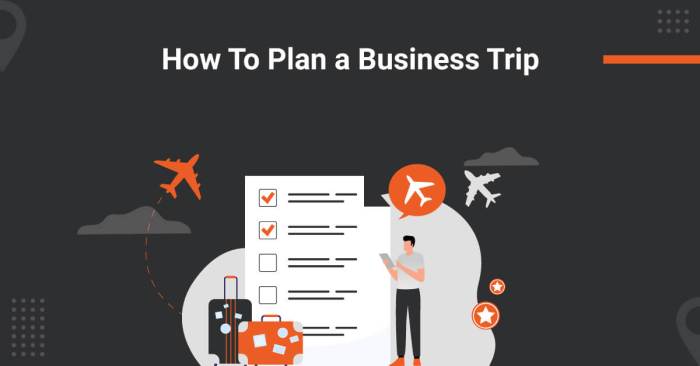
When planning a business trip as an international executive, it is crucial to conduct thorough research about your destination. This will help you navigate the local business culture, etiquette, and norms effectively, ensuring successful interactions and negotiations.
Understanding Business Culture
- Research the typical work hours, communication styles, and decision-making processes in the country you are visiting.
- Learn about the hierarchy in business settings and the proper way to address individuals of different ranks.
- Understand the importance of punctuality, dress code, and gift-giving customs in the local business environment.
Obtaining Visa Information
- Check the visa requirements for your destination country well in advance and ensure you have all the necessary documents.
- Visit the official government websites or consult with your company's travel department for accurate and up-to-date visa information.
- Consider applying for a business visa if your trip involves meetings, conferences, or other work-related activities.
Researching Local Laws and Safety Advisories
- Familiarize yourself with the local laws, regulations, and customs to avoid any inadvertent legal issues during your stay.
- Check for any safety advisories or travel warnings issued by your government or reputable sources to ensure a secure trip.
- Keep emergency contact numbers and embassy information handy in case of any unforeseen circumstances.
Understanding Local Customs and Traditions
- Learn about the local customs, traditions, and taboos to show respect and build rapport with your business counterparts.
- Be mindful of cultural differences in greetings, gestures, and business negotiations to avoid misunderstandings or offense.
- Consider hiring a local guide or interpreter to assist you in navigating the cultural nuances of the destination.
Travel Logistics
When it comes to planning a business trip as an international executive, taking care of the travel logistics is crucial to ensure a smooth and successful journey. From booking flights and accommodations to managing ground transportation and dealing with jet lag, these logistics play a significant role in your overall travel experience.
Booking Flights, Accommodations, and Ground Transportation
- Start by researching and comparing flight options to find the most convenient and cost-effective itinerary for your trip.
- Book accommodations in advance to secure the best rates and ensure availability, considering factors like location, amenities, and proximity to your business meetings.
- Arrange for ground transportation, whether it's a rental car, airport transfer service, or public transportation, to avoid any last-minute hassles upon arrival.
Organizing Travel Documents
- Make sure your passport is valid for at least six months beyond your travel dates and check visa requirements for your destination country well in advance.
- Keep digital and physical copies of important travel documents, including your passport, visa, travel insurance policy, and itinerary, in case of emergencies.
- Consider purchasing travel insurance to protect yourself against unforeseen events like trip cancellations, medical emergencies, or lost luggage.
Dealing with Jet Lag and Staying Productive
- Adjust your sleep schedule a few days before your trip to align with the time zone of your destination and minimize the effects of jet lag.
- Stay hydrated, eat light and healthy meals, and avoid excessive alcohol or caffeine consumption during your flight to help your body adjust to the new time zone.
- Plan your work tasks and schedule strategically, taking advantage of productive hours and allowing time for rest and relaxation to maintain your energy levels during the trip.
Packing Essentials
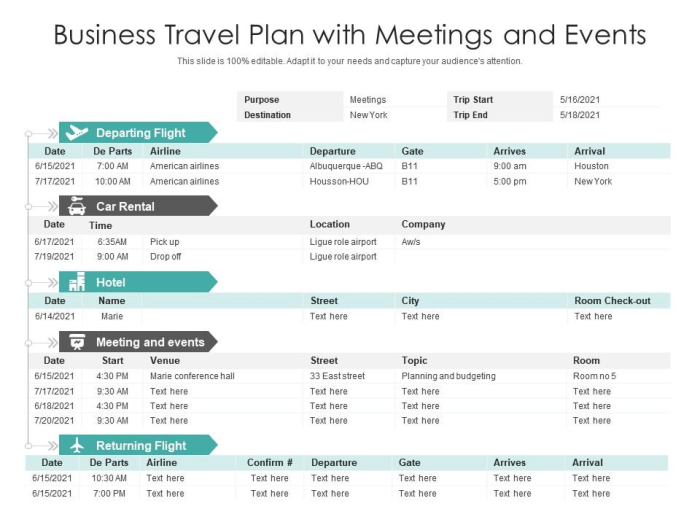
When traveling on international business trips, packing efficiently and ensuring you have all the necessary items is crucial for a successful and stress-free journey. Here are some essential items to consider when packing for your trip:
Essential Items Checklist
- Passport, visa, and other travel documents
- Currency, credit cards, and important contact numbers
- Electronics: laptop, chargers, adapters, and power banks
- Toiletries and medications
- A change of clothes in your carry-on in case of lost luggage
- A travel-sized sewing kit and basic first aid supplies
Packing Tips for Efficiency
- Roll clothes instead of folding to save space
- Use packing cubes or compression bags to organize and maximize luggage space
- Pack versatile clothing items that can be mixed and matched for different occasions
- Limit the number of shoes to essential pairs to save space
- Consider the weather and cultural norms of your destination when packing
Business Attire Essentials
- Include formal business attire for meetings, conferences, and events
- Pack casual business attire for more relaxed settings or outings
- Don't forget accessories like ties, scarves, and jewelry to complete your outfits
- Consider packing wrinkle-resistant clothing to maintain a polished look throughout your trip
Communication and Connectivity
In today's global business landscape, staying connected while traveling abroad is essential for international executives. Whether it's communicating with colleagues, clients, or family members, ensuring seamless connectivity is crucial for a successful business trip.
Ensuring Seamless Communication
- Invest in a local SIM card: Upon arrival at your destination, purchase a local SIM card to avoid hefty international roaming charges. This will allow you to make calls, send texts, and access data at local rates.
- Download mobile apps: Utilize communication apps such as WhatsApp, Skype, or Slack to stay in touch with your team regardless of your location. These apps offer messaging, voice, and video call capabilities over Wi-Fi or data networks.
- Language translation tools: To overcome language barriers, consider downloading translation apps like Google Translate to facilitate communication with locals and navigate your surroundings more effectively.
Staying Connected Across Time Zones
- Establish a communication schedule: Coordinate with colleagues and clients to set up regular check-in times that accommodate different time zones. This ensures that everyone stays informed and connected despite the distance.
- Use collaboration tools: Leverage project management platforms like Trello or Asana to streamline communication, assign tasks, and track progress remotely. These tools promote efficiency and transparency in a virtual work environment.
- Stay in touch with family: Keep your loved ones updated on your whereabouts and well-being by scheduling regular calls or video chats. Maintaining a healthy work-life balance is essential, even when traveling for business.
Cybersecurity and Data Protection
- Avoid public Wi-Fi networks: Be cautious when using public Wi-Fi networks, as they are susceptible to cyber threats. Consider investing in a virtual private network (VPN) for secure and encrypted internet connections while traveling.
- Enable two-factor authentication: Protect your accounts and sensitive information by enabling two-factor authentication on your devices and online accounts. This adds an extra layer of security against unauthorized access.
- Update software and apps: Regularly update your devices, apps, and antivirus software to patch vulnerabilities and guard against cyber attacks. Prioritize cybersecurity to safeguard your data and maintain privacy while on the go.
Business Meeting Preparedness
When preparing for international business meetings, it is crucial to do thorough research on the attendees and the cultural expectations of the host country. This will help you navigate the meeting with confidence and respect.
Research Attendees and Cultural Expectations
- Find out the names and positions of the people you will be meeting with. Understanding their roles can help you tailor your communication effectively.
- Research the cultural norms and etiquette of the country you will be visiting. This includes greetings, gestures, and acceptable behavior during meetings.
- Learn about the business practices and protocols specific to the industry in the host country. This will show your counterparts that you are invested in building a strong relationship.
Effective Communication in Cross-Cultural Settings
- Use clear and concise language to avoid misunderstandings. Be mindful of your tone and body language, as they can convey different meanings across cultures.
- Active listening is key in cross-cultural communication. Allow others to speak without interruption and show genuine interest in their perspectives.
- Ask open-ended questions to encourage dialogue and demonstrate your willingness to understand and collaborate.
Handling Negotiation Tactics and Building Rapport
- Be prepared for negotiation tactics that may differ from what you are accustomed to. Stay flexible and adaptable in your approach to reach mutually beneficial agreements.
- Focus on building rapport with your international counterparts by showing respect, empathy, and a genuine interest in their culture and business practices.
- Find common ground and areas of mutual benefit to strengthen the relationship and foster a productive collaboration.
Final Summary
In conclusion, mastering the art of business trip planning for international executives requires a blend of meticulous preparation, cultural awareness, and effective communication. By implementing the tips and strategies Artikeld in this guide, executives can navigate the global business landscape with finesse and achieve their professional goals with ease.
Top FAQs
How can I ensure seamless communication during international business trips?
To ensure seamless communication, consider investing in a local SIM card, downloading language translation apps, and using reliable messaging platforms to stay connected with colleagues and clients.
What are some key factors to consider when packing for international business trips?
When packing, prioritize essential documents like passports and visas, pack versatile business attire suitable for various occasions, and include necessary electronics and chargers for communication and productivity.
How can I prepare for cross-cultural business meetings effectively?
Effective preparation involves researching cultural norms, understanding attendees' backgrounds, and adapting communication styles to ensure smooth interactions and successful outcomes during international business meetings.



![Best Seniors Travel Insurance Over 65 Quotes [Compare Rates]](https://travel.fin.co.id/wp-content/uploads/2025/12/Senior-Travel-Insurance-Help-Us-1024x576-1-120x86.png)